Why Is My Website Traffic Dropping? The 2026 Guide to Recovery
Why Is My Website Traffic Dropping? Discover the biggest causes of traffic decline in 2026 and learn proven recovery strategies to restore rankings, increase visibility, and future-proof your organic growth.
Why Is My Website Traffic Dropping? The 2026 Guide to Recovery
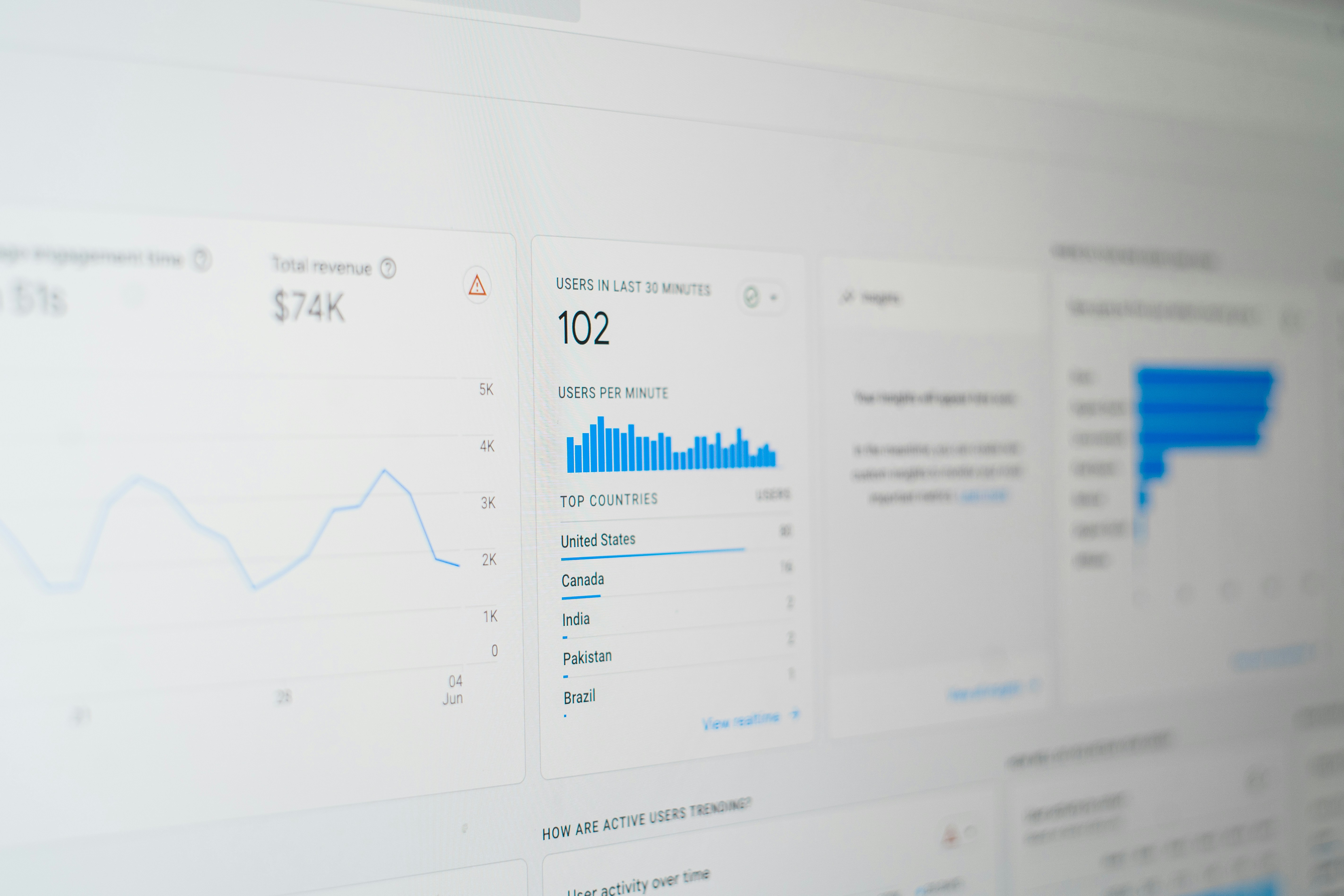
Few things create more anxiety for marketers, founders, and SEO professionals than opening Google Analytics and discovering a sharp decline in website traffic.
One month you're celebrating record growth. The next, your sessions are down 20%, 40%, or even 70%.
If you've recently asked yourself, "Why is my website traffic dropping?", you're not alone.
According to industry studies, more than 68% of websites experience significant organic traffic fluctuations annually, while Google's search ecosystem continues evolving faster than ever. In 2026, traffic declines are no longer caused solely by SEO mistakes. AI search engines, zero-click search experiences, algorithm updates, content saturation, and shifting user behaviors have fundamentally changed how people discover websites.
The good news?
Most traffic drops are recoverable.
In this guide, we'll break down the most common reasons website traffic declines in 2026, how to diagnose the issue, and the exact steps you can take to regain visibility and growth.
The First Step: Don't Panic
When traffic drops, many businesses immediately assume Google has penalized them.
In reality, that's rarely the case.
Before making major changes, determine:
How much traffic was lost
When the decline started
Which channels were affected
Which pages lost visibility
Whether conversions dropped alongside traffic
A 15% decline over several months is very different from a 60% overnight collapse.
Understanding the pattern is critical before attempting recovery.
1. Google Algorithm Updates Are Still a Major Factor
Google releases thousands of search improvements every year.
Major core updates continue to reshape rankings across industries.
Recent trends show Google rewarding:
First-hand expertise
Original research
Trust signals
Brand authority
Helpful user experiences
Meanwhile, websites relying on:
Thin content
Mass-produced AI articles
Keyword stuffing
Poor user experience
often experience visibility declines.
How to Check
Compare traffic losses with known update dates.
Look for:
Ranking drops across multiple pages
Reduced impressions in Search Console
Declines concentrated in specific content categories
If the timing aligns with an update, quality improvements may be required.
2. AI Search Is Stealing Clicks
One of the biggest changes in 2026 is the rise of AI-generated search answers.
Users increasingly receive direct answers from:
ChatGPT
Gemini
Perplexity
Claude
AI Overviews
Instead of clicking websites, users often get what they need instantly.
Research suggests some informational searches now generate 20-40% fewer clicks than they did just a few years ago.
This means rankings alone are no longer enough.
Brands must also optimize for AI recommendation engines.
The New Visibility Challenge
Your content may rank highly but still receive fewer visitors because AI platforms summarize information without generating clicks.
This is where businesses need a dual strategy:
Traditional SEO
AI discoverability
Vinespire help brands improve their presence across AI platforms by increasing the likelihood that their expertise, products, and services are surfaced and recommended within AI-generated responses. As AI search continues growing, being visible inside AI ecosystems is becoming just as important as ranking on Google.
3. Your Competitors Got Better
Many traffic declines aren't caused by your website becoming worse.
They're caused by competitors becoming better.
Every day competitors are:
Publishing new content
Earning backlinks
Improving user experience
Building authority
Expanding topical coverage
A competitor that publishes 100 high-quality articles may gradually outrank a site that remains stagnant.
What to Do
Analyze:
Competitor content velocity
Backlink growth
New keyword rankings
Content quality improvements
Sometimes recovery requires outperforming competitors rather than fixing technical issues.
4. Technical SEO Problems Are Blocking Visibility
Technical issues can devastate traffic almost overnight.
Common examples include:
Crawl Errors
Search engines cannot access important pages.
Indexing Problems
Pages disappear from Google's index.
Broken Redirects
Link equity gets lost during site migrations.
Robots.txt Errors
Critical pages become blocked.
Canonical Issues
Search engines become confused about which version to rank.
According to multiple SEO audits, technical issues contribute to approximately 25-35% of significant traffic losses.
Recovery Action
Run a complete technical audit using:
Google Search Console
Screaming Frog
Sitebulb
Ahrefs Site Audit
Fix critical indexing and crawling issues immediately.
5. Your Content Has Become Outdated
Freshness matters more than many businesses realize.
Google increasingly rewards content that reflects current realities.
For example:
A "Best Marketing Strategies" article written in 2022 may perform poorly in 2026 because:
Statistics are outdated
Tools have changed
User expectations evolved
Search intent shifted
Content Refresh Checklist
Update:
Statistics
Screenshots
Examples
Internal links
External references
Industry trends
Refreshing existing content often delivers faster results than publishing new articles.
6. Search Intent Has Changed
One overlooked reason for traffic loss is changing search intent.
Google constantly adjusts rankings based on what users actually want.
For example:
A keyword that previously rewarded blog posts may now favor:
Videos
Product pages
Comparison content
Interactive tools
If your content format no longer matches search intent, rankings may decline.
Recovery Strategy
Review the current top 10 results.
Ask:
What content types dominate?
What questions are being answered?
What information is missing from my page?
Align your content with current user expectations.
7. Backlink Loss Can Hurt Rankings
Backlinks remain one of the strongest ranking signals.
If authoritative websites remove links pointing to your site, rankings may decline.
This often occurs when:
Websites shut down
Pages are removed
Content gets updated
Partnerships end
Even losing a handful of high-authority links can impact visibility.
How to Check
Use backlink monitoring tools to identify:
Lost links
Broken referring pages
Declining referring domains
Reclaiming lost links can produce surprisingly fast ranking improvements.
8. Core Web Vitals and User Experience Matter More Than Ever
Google increasingly evaluates user experience signals.
Poor experiences can reduce visibility.
Key metrics include:
Largest Contentful Paint (LCP)
Measures loading performance.
Interaction to Next Paint (INP)
Measures responsiveness.
Cumulative Layout Shift (CLS)
Measures visual stability.
Sites that load slowly often experience:
Higher bounce rates
Lower engagement
Reduced rankings
A delay of even one second can significantly impact user behavior.
9. AI-Generated Content Overload
The internet is flooded with AI-generated content.
Google's focus is no longer whether content was written with AI.
The focus is whether the content provides unique value.
Pages that merely repeat existing information may struggle.
Winning content in 2026 includes:
Original research
Expert insights
Real-world experience
Proprietary data
Unique perspectives
Businesses producing generic content are seeing declining performance across many industries.
10. You Are Ignoring Brand Authority
Google increasingly rewards brands users trust.
Strong brands typically enjoy:
Higher click-through rates
More branded searches
Better engagement metrics
Greater link acquisition
A website with strong brand recognition can often outperform a technically similar competitor.
Build Authority Through
Thought leadership
Original studies
Industry mentions
PR campaigns
Expert contributions
Brand building is becoming an SEO strategy.
11. You're Not Visible in AI Recommendations
A major shift occurring in 2026 is that users are no longer relying solely on traditional search engines.
People increasingly ask AI assistants:
Which software should I use?
What agency should I hire?
Which product is best?
What service provider do you recommend?
If your brand is absent from these recommendations, you may lose significant discovery opportunities.
This is precisely why forward-thinking companies are investing in AI visibility strategies.
Vinespire help businesses improve their presence within AI ecosystems, making it more likely that their brands are recognized, understood, and referenced by AI platforms that influence purchasing decisions.
For many companies, AI visibility is becoming a new growth channel alongside SEO.
12. Seasonal Traffic Fluctuations
Not every decline is a problem.
Some industries naturally experience seasonal shifts.
Examples include:
Industry | Typical Slow Period |
|---|---|
Travel | Off-season months |
Retail | Post-holiday periods |
Education | Summer months |
Tax Services | After tax season |
Always compare year-over-year data before assuming a problem exists.
13. Poor Internal Linking Structure
Internal links help search engines understand your website.
Weak internal linking often results in:
Orphan pages
Reduced crawl efficiency
Lower authority distribution
A strategic internal linking update can improve rankings across hundreds of pages.
Best Practices
Link relevant pages together
Use descriptive anchor text
Prioritize important pages
Eliminate orphan content
14. Declining Click-Through Rates
Sometimes rankings remain stable while traffic falls.
The culprit?
Lower click-through rates.
This can happen because:
AI Overviews push results down
Competitors improve titles
Rich snippets dominate results
Search behavior changes
Improve CTR By
Rewriting titles
Updating meta descriptions
Adding schema markup
Targeting featured snippets
Small CTR improvements can generate substantial traffic gains.
15. Your Analytics Setup Is Broken
Before launching a recovery campaign, verify that traffic actually declined.
Tracking issues are surprisingly common.
Examples include:
GA4 misconfiguration
Tag Manager errors
Consent mode problems
Missing conversion tracking
Many businesses spend weeks solving a traffic issue that never existed.
Always validate data accuracy first.
The 2026 Website Traffic Recovery Framework
If your traffic is declining, follow this framework:
Step 1: Diagnose
Identify:
Channels affected
Pages affected
Keywords affected
Step 2: Audit
Review:
Technical SEO
Content quality
User experience
Backlinks
Step 3: Refresh
Update:
Existing content
Internal links
Metadata
Statistics
Step 4: Strengthen Authority
Invest in:
Brand building
PR
Original research
Expert content
Step 5: Expand Beyond Google
Develop visibility across:
AI search platforms
Industry communities
Social channels
Direct brand searches
The future belongs to brands that diversify discovery channels.
Frequently Asked Questions
Why is my website traffic dropping suddenly?
Sudden traffic drops are often caused by technical SEO issues, algorithm updates, tracking problems, or indexing errors. Start by checking Google Search Console and analytics data.
How long does it take to recover lost traffic?
Recovery timelines vary. Technical fixes may show results within days, while content and authority improvements often take several weeks or months.
Can AI search reduce website traffic?
Yes. AI-generated answers increasingly satisfy user intent without requiring clicks, which can reduce traffic even when rankings remain strong.
Should I update old content or create new content?
In many cases, updating existing content produces faster gains because the page already has authority and ranking history.
How important are backlinks in 2026?
Backlinks remain one of the strongest ranking signals, especially when they come from authoritative and relevant websites.
How can brands improve visibility in AI platforms?
Brands can improve AI visibility through structured content, authority building, entity optimization, and strategies specifically designed for AI discovery. We at Vinespire help businesses increase their likelihood of being recognized and recommended by modern AI systems.
Conclusion
If you've been asking, "Why is my website traffic dropping?", remember that traffic losses are usually symptoms, not root causes.
The websites winning in 2026 understand that visibility is no longer limited to Google rankings alone.
Success now requires:
Strong technical SEO
Exceptional content
Brand authority
Great user experience
AI platform visibility
The businesses that adapt to this new reality will not only recover lost traffic but build more resilient growth engines for the future.
As search evolves into an AI-driven ecosystem, organizations that invest in both traditional SEO and AI discoverability will be positioned to capture attention wherever users search, ask, and buy.